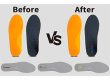
Commitment to Sustainability: Our Biobased PU Insoles
At Henan Bangni Biological Engineering Co., Ltd., we have consistently focused on innovation while prioritizing comfort and environmental responsibility. Our latest product, the bio-based PU insole, meets the dual demands of modern consumers for sustainability and comfort. This insole is made from renewable biological resources (such as plant oils, starch, etc.), marking a shift in materials science toward green and sustainable development.
Features of Bio-Based PU Insoles:
1.Environmental Friendliness
The greatest advantage of bio-based PU materials lies in their eco-friendly properties. Traditional polyurethane (PU) materials often rely on petroleum-based raw materials, which produce large amounts of carbon dioxide and other greenhouse gases during production. In contrast, bio-based PU derives its raw materials from plants, which can absorb carbon dioxide during growth, thus reducing the overall carbon footprint. The use of these renewable materials effectively minimizes dependence on finite resources, promoting sustainable resource utilization.
2. Biodegradability
Another significant characteristic of bio-based PU insoles is their biodegradability. Compared to traditional petroleum-based PU materials, bio-based PU is easier to decompose in the natural environment, meaning it won’t cause long-term pollution to soil and water sources once its lifespan ends. This feature not only meets environmental requirements but also fulfills consumer expectations for sustainable products, helping to reduce the burden of waste on the environment.
3. Comfort and Performance
Bio-based PU insoles excel in comfort and performance. Through advanced manufacturing processes, this material offers excellent support and cushioning, making it suitable for prolonged wear. Whether for daily life, sports, or professional work, bio-based PU insoles effectively alleviate foot pressure and enhance wearing comfort. Additionally, their durability ensures they maintain good performance in various environments, providing users with a lasting experience.
4. Sustainability and Market Demand
As global attention to sustainable development continues to grow, the market demand for eco-friendly products is increasing. The launch of bio-based PU insoles is a proactive response to this trend. Consumers are increasingly inclined to choose products that reduce environmental impact, giving bio-based PU insoles a strong competitive edge in the market. At the same time, companies developing such products demonstrate their commitment to environmental protection, promoting the development of a green economy.
5. Innovation and Technological Advancements
The research and application of bio-based PU showcase innovation and technological progress in materials science. By continually exploring and optimizing manufacturing processes, companies can enhance the performance of bio-based PU materials, enabling them to play a greater role in applications like insoles. This process involves not only selecting and proportioning materials but also improving production processes to ensure the final product’s quality and functionality.
Bio-based PU insoles are not just high-performance foot care products; they also represent an environmentally friendly choice that practices sustainable development. By using renewable materials and biodegradable technologies, bio-based PU insoles actively contribute to environmental protection and sustainable development while providing comfort and support. As consumer awareness of eco-friendly products grows, bio-based PU insoles will become an essential component of the future market, contributing to our shared green future.