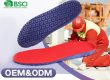
Why Choose Custom Insoles: The Smart Choice for Comfort, Health & Branding
In the footwear industry, comfort and fit are increasingly becoming competitive differentiators. Instead of relying on off‑the‑shelf insoles, more brands and safety footwear manufacturers are turning to custom insoles to deliver superior performance, promote foot health, and reinforce their brand identity. Whether you’re a shoe factory, a protective‑footwear brand, or a safety‑footwear buyer, here’s why worth exploring custom insole solutions.
1. Key Benefits of Custom Insoles
Tailored Fit
Custom insoles are made to match the foot’s shape, arch profile and pressure points — ensuring a better, more secure fit and reducing the risk of discomfort, blisters or fatigue.
Premium Materials
With custom insoles you can select higher‑grade materials (such as PU with breathable holes, memory foam, gel heel pads, antibacterial treatments) that outperform mass‑market inserts.
Enhanced Comfort & Support
Especially critical for work / safety shoes: custom insoles can incorporate arch support, heel cushions, metatarsal pads or gel zones to support foot health and long hours of standing/walking.
Branding & Differentiation
For B2B customers (shoe factories, safety shoe brands), custom insoles provide an opportunity to offer unique product features, branding elements (logos, colour‑ways) and distinguish your footwear in the market.
Improved Hygiene & Performance
Custom insoles can incorporate antimicrobial treatments, moisture‑wicking fabrics and tailored cushioning to enhance hygiene, reduce odor and maintain performance over time.
2. What Materials and Features to Consider
When designing or specifying a custom insole, attention to materials and structure is key:
PU (Polyurethane): Offers durable cushioning, good resilience, and supports features like breathable holes or integrated gait‑control elements.
EVA (Ethylene Vinyl Acetate): Lightweight, shock‑absorbing, good for casual/sport comfort insoles.
Gel inserts / heel pads: For added shock absorption and comfort in high‑impact zones (especially in safety/work footwear).
Memory foam top‑covers: For personalized comfort and foot‑moulding effect.
Antibacterial / deodorising treatments: Especially important in safety shoes or heavy‑duty environments.
Arch support / metatarsal pads: For corrective or orthotic applications, helping with foot fatigue and posture support.
Moisture‑wicking, breathable covers: To keep feet dry and comfortable in all‑day wear.
3. How to Choose the Right Custom Insole Partner
For brands and factories sourcing custom insoles, selecting the right manufacturing partner is vital:
Sample Testing & Validation: Ensure they provide sample testing, so you can validate fit, performance and materials before bulk production.
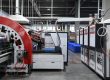
Production Capacity & Quality Assurance: Verify the partner’s production capacity, quality control processes (defect inspection, material testing) and certifications (for example safety, antibacterial compliance).
Customization Flexibility: Look for flexibility in customisation: logo imprinting, colour options, packaging, material choices.
Supply Chain & B2B Support: Confirm they can support your B2B timeline and supply chain needs: stable delivery, minimum order quantities, after‑sales support.
Technical Expertise in Foot Health: Inspect that the partner has foot health knowledge or technical capability (especially if you are dealing with corrective / orthotic insoles).
4. Custom Insoles vs Standard Mass‑Market Inserts
| Feature | Custom Insoles | Off‑the‑Shelf Inserts |
|---|---|---|
| Fit | Tailored to foot shape | Standard sizes and shapes |
| Material options | Diverse, premium grade | Limited, cost‑driven |
| Design & Branding | Fully customisable | Generic look, no branding |
| Support & Comfort | Built for specific use | Basic comfort only |
| Production time | Longer (custom order) | Immediate availability |
| Cost | Higher upfront | Lower cost |
Thus, while standard inserts serve general use, for brands and applications where comfort, foot health and differentiation matter, custom insoles are a strategic investment.
5. Common Mistakes to Avoid When Sourcing Custom Insoles
Skipping sample testing — always test one or more prototypes before placing a large order.
Ignoring foot health factors — even a well‑looking insole might lack proper arch or heel support.
Over‑complicating material mix — too many materials or layers can drive cost, production complexity and quality issues.
Lack of Supplier Transparency –Partnering with a supplier lacking transparency in quality control or delivery reliability.
Conclusion
Choosing custom insoles can elevate your footwear offering—whether for casual sport shoes, safety/work shoes or orthotic applications. They deliver better fit, higher comfort, stronger branding potential and differentiation. As a manufacturer or B2B buyer, working with a partner who understands materials, foot‑health support and has