Selecting the right insole supplier is a critical strategic decision for global footwear brands, safety shoe manufacturers, and orthotic product companies. Insoles play a key role in comfort, durability, and foot protection—directly influencing product quality and customer satisfaction.
With rising consumer expectations and stricter compliance requirements worldwide, brands are shifting from low-cost sourcing to stable, certified, innovation-driven suppliers. Below are the five major factors global brands evaluate before partnering with an insole manufacturer.

1. Material Quality, Performance & Technical Consistency
For international brands, material quality is the foundation of the product. The insole must perform consistently across batches, meet international standards, and adapt to different footwear applications such as safety shoes, sports shoes, work boots, and orthotics.
Key Material Properties Brands Assess
Cushioning & Energy Return
Brands expect uniform density, hardness stability, and predictable rebound.
-
EVA is widely used in lightweight or budget models.
-
Gel and TPE materials provide high shock absorption for the heel and forefoot.
Durability Over Time
A high-quality insole should resist deformation, compression-set, and delamination.
Global buyers often test:
-
10,000–20,000 cycle compression tests
-
Moisture and heat aging performance
-
Layer bonding strength
Breathability & Moisture Management
Top brands look for:
-
Open-cell PU foam
-
Breathable PU or mesh fabric
-
Sweat-wicking EVA structures
-
Antibacterial or deodorizing treatments
For safety footwear, breathability improves long-hour comfort and reduces odor issues.
Compliance of Raw Materials
International markets require materials that meet:
-
CE testing requirements
-
REACH compliance
-
Safe chemical standards
-
Anti-static or ESD specifications for safety shoes
A supplier who provides test reports proactively is always preferred.
2. Certifications, Compliance & Factory Audits
Global brands never overlook factory compliance, because it affects import safety, corporate responsibility, and supply chain transparency.
Most Requested Certifications
-
ISO 9001 — Quality Management
-
ISO 14001 — Environmental Management
-
ISO 45001 — Occupational Health & Safety
-
BSCI — Social Responsibility
-
CE-tested materials — Product-level safety
Brands also check:
-
Worker safety measures
-
Environmental waste control
-
Stable factory management processes
-
Quality control procedures (incoming → in-process → final inspection)
Meeting these standards demonstrates professionalism, reduces risk for the brand, and ensures smoother international cooperation.
3. OEM/ODM Development Capability & Technical Support
Today’s global brands expect more than a typical manufacturer. They look for development partners who contribute technical ideas and help optimize product performance.
Key OEM/ODM Abilities Brands Look For
Custom Mold and Structure Design
Suppliers must support:
-
Arch support structures
-
Heel cup reinforcement
-
Multi-layer functional combinations
-
Density-hardness customization
-
Samples based on 3D foot models
Material R&D and Innovation
Leading factories can offer:
-
PU antibacterial foam
-
Lightweight PU Foam
-
Supercritical foam materials
-
Cushioning gel pads
-
Eco-friendly or recycled insole solutions
Innovation capability = long-term competitiveness.
Rapid Sampling & Professional Communication
Brands evaluate:
-
Sampling speed (3–7 days is ideal)
-
Accuracy of sample data
-
Engineering ability to solve problems
-
Responsiveness during development
Fast, professional communication significantly improves cooperation efficiency.
4. Production Capacity, Supply Stability & Quality Control
For international brands, delivery time, supply stability, and quality control are decisive factors. A supplier might have good samples, but if they cannot handle mass production and consistent quality, global brands will not take the risk.
What Brands Typically Evaluate
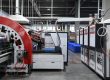
Factory Capacity & Automation Level
They check whether the factory has:
-
Automated PU injection lines
-
EVA molding machines
-
Gel injection & TPE molding lines
-
Multiple lamination and cutting lines
-
Monthly capacity that matches their needs
Larger buyers prefer suppliers who can handle both regular demand and peak seasons.
Quality Control System
QC is the backbone of any partnership.
Global brands often check:
-
Incoming raw material inspection
-
Production line inspection
-
Final inspection standards
-
Random batch testing
-
Traceability of each production batch
A strong QC process reduces returns and improves brand reputation.
Delivery Performance
Late shipments can impact entire footwear production plans.
Brands prefer suppliers who:
-
Maintain accurate production scheduling
-
Offer stable lead times
-
Support urgent orders occasionally
-
Provide safety stock for long-term customers
5. Cost-Effectiveness & Long-Term Partnership Value
Price is important—but global brands look at value, not just cost.
They want suppliers who can provide:
-
Competitive pricing
-
Long-term stable supply
-
Reduced failure rates
-
Consistent quality
-
Professional services such as packaging, barcode labeling, or market-specific documentation
A good supplier helps brands:
-
Reduce logistics complexity
-
Lower after-sales problems
-
Improve product competitiveness
-
Save time and communication costs
Brands Prefer Win–Win Partnerships
The most attractive suppliers are those who:
-
Understand market trends
-
Offer transparency
-
Focus on long-term cooperation
-
Provide continuous product upgrades
These factories often become the strategic partners of global brands for years or even decades.
Why Global Brands Choose Henan Bangni Biological Engineering Co., Ltd.
If your brand is evaluating reliable insole manufacturing partners, Henan Bangni Biological Engineering Co., Ltd. is ready to support you with steady quality, strong R&D capability, and professional OEM/ODM service.
Founded in 2012 and located in Xinxiang High-tech Zone, Henan Province, our company specializes in the R&D, production, and global supply of:
-
Antibacterial insole materials
-
Sustainable insole solutions
We support international brands and distributors with:
-
CE-tested materials for safety and compliance
-
Over 500 patents, including 30+ invention patents
-
Full OEM/ODM customization (material, hardness, structure, logo, packaging)
-
Stable production capacity & reliable delivery time
-
Strict quality inspection at every stage
Our goal is to help footwear brands deliver better comfort, safety, and performance — with a service mindset focused on consistency, transparency, and long-term cooperation.
If you want to explore safety shoe insoles, sports insoles, corrective insoles, or sustainable insole materials tailored for your market, we would be honored to connect and support your project.